Protein is the one nutrient almost everyone under-eats and over-thinks. You don't need a spreadsheet – you need a target you can hit on a normal Tuesday.
The number that matters
For someone training two to five times a week, the research consistently lands between 1.6g and 2.2g of protein per kilogram of bodyweight per day. For a 70kg person that's roughly 112g to 154g. If you're currently eating half of that – and most people are – the first jump is where nearly all of the benefit lives.
“Getting from 60g to 120g a day changes how you recover. Getting from 120g to 140g changes almost nothing. Start with the big gap.”
What that looks like on a plate
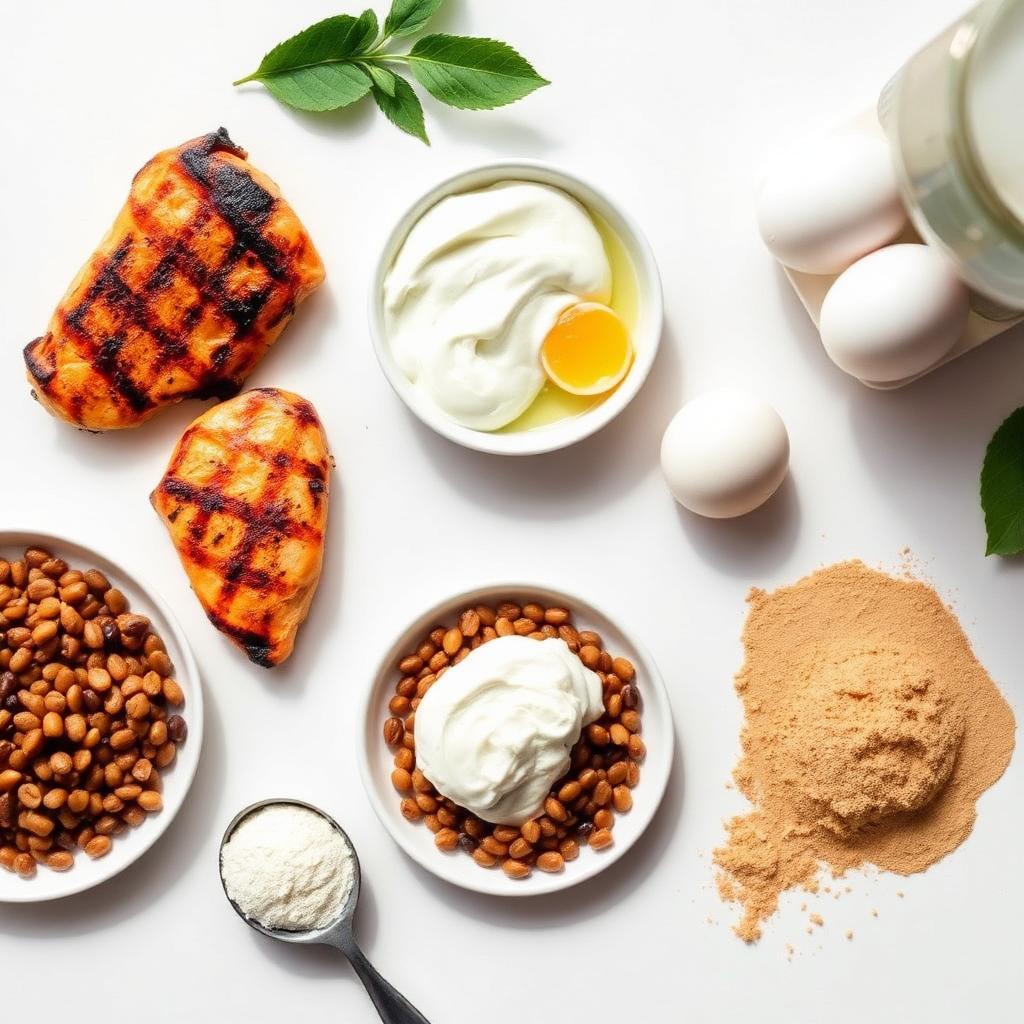
- Chicken breast (150g) – around 45g
- Greek yoghurt (200g pot) – around 20g
- Four eggs – around 24g
- Tin of tuna – around 25g
- Lentils (one cooked cup) – around 18g
- Whey shake – around 25g
Three meals with a solid protein source and one protein-led snack gets most people to target without any tracking at all.
Does timing matter?
Far less than the supplement industry suggests. The old 30-minute 'anabolic window' has been comprehensively walked back. What does help is spreading protein across the day – roughly 25–40g per meal – rather than eating a small breakfast and an enormous dinner.
Plant-based? Aim slightly higher
Plant proteins are generally lower in leucine, the amino acid that triggers muscle repair. Add around 10–15% to your target and lean on soy, lentils, beans, tofu and a quality plant protein powder.
Three changes to make this week
- Add a protein source to breakfast – this is where most people lose 30g.
- Keep a default snack in the fridge so a busy day doesn't derail you.
- Estimate, don't weigh. Consistency beats precision every time.