
Recovery 5 min read
Is Hot & Cold Therapy Worth the Hype?
With Embr opening in Berkhamsted, there's suddenly a lot more conversation around ice baths, saunas and recovery.
Rob Lang · 2 August 2026

Heading off for two weeks? Here's what actually happens to your strength, fitness and mindset when you step away from the gym – and why your first session back always feels harder than it is.
By Rob Lang · Published 18 August 2026

It's August. Half the gym seems to be on holiday, just back from holiday, or counting down the days until they go away.
“Am I going to lose all my fitness if I don't train for two weeks?”
The short answer is no.
You might feel a bit rusty when you come back. The first workout might feel harder than it should. Your heart rate might be a little higher and the barbell might feel heavier than you remember.
But you haven't suddenly lost months or years of fitness.
Fitness doesn't disappear overnight.
If you've been training consistently for months or years, taking a week away from the gym is going to make very little difference.
Even after a couple of weeks, you haven't suddenly lost all your strength or muscle. Some aspects of cardiovascular fitness can start to drop relatively quickly, but that doesn't mean you're back to square one.
And importantly, it comes back quickly too.
There's also a difference between not training and doing absolutely nothing.
Most holidays involve plenty of walking, swimming, exploring, playing with the kids or generally being more active than you realise.
That's still movement.
This is probably the bit we don't talk about enough.
Training is a stress.
Usually it's a very good stress. It makes us stronger, fitter and more capable.
But recovery is where we actually adapt to that training.
If you've trained consistently for the last six months, a week where you sleep a little more, eat plenty of food and don't touch a barbell might actually leave you feeling better when you come back.
That's not losing progress.
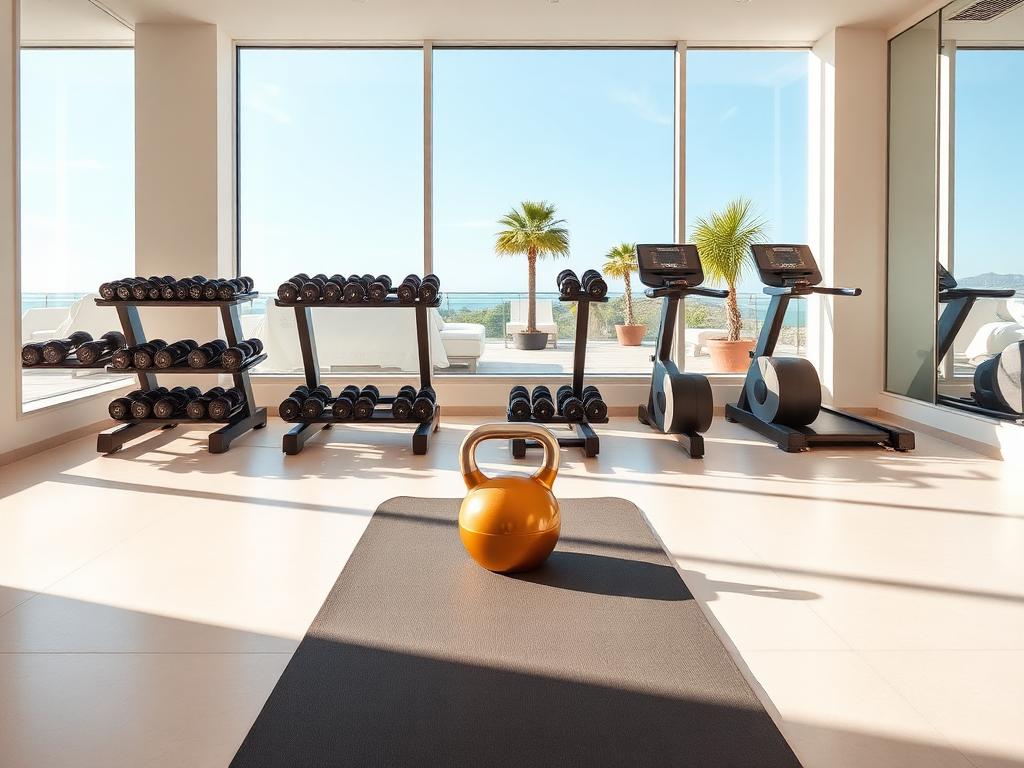
Only if you want to.
Personally, I enjoy training when I'm away. I'll normally run, find a gym or do something active because it's part of what I enjoy doing.
But that's very different from feeling like you have to train.
If your hotel has a gym and you fancy doing 30 minutes one morning, brilliant.
If you want to go for a run and explore somewhere new, even better.
But if you'd rather spend the morning having breakfast and getting to the beach, do that.
You don't need to recreate your normal week's training while you're away.
This is probably the biggest one.
You come back after ten days away.
You walk into the gym feeling rested and ready to go.
Then eight minutes into the workout you're wondering where all your fitness has gone.
That's normal.
You might feel a little less sharp. Your movement might feel slightly off. You may get more sore than usual afterwards.
Give yourself a few sessions.
Don't try to prove you're still fit by absolutely destroying yourself on your first day back.
Just get back into your normal routine.
If you've trained three times a week for the last year, that's roughly 150 training sessions.
Two weeks on holiday doesn't erase them.
And I think that's the bigger lesson.
We sometimes massively overestimate the importance of individual workouts while underestimating the importance of consistency over a long period of time.
What matters is that training is something you keep coming back to.
So if you're going away this summer, enjoy it.
Move because you want to.
Train if you fancy it.
Eat some good food.
Have a few drinks.
Get some sleep.
Then when you get home, come back to the gym and carry on where you left off.
Your fitness will still be here.
With Embr opening in Berkhamsted, there's suddenly a lot more conversation around ice baths, saunas and recovery.
Rob Lang · 2 August 2026
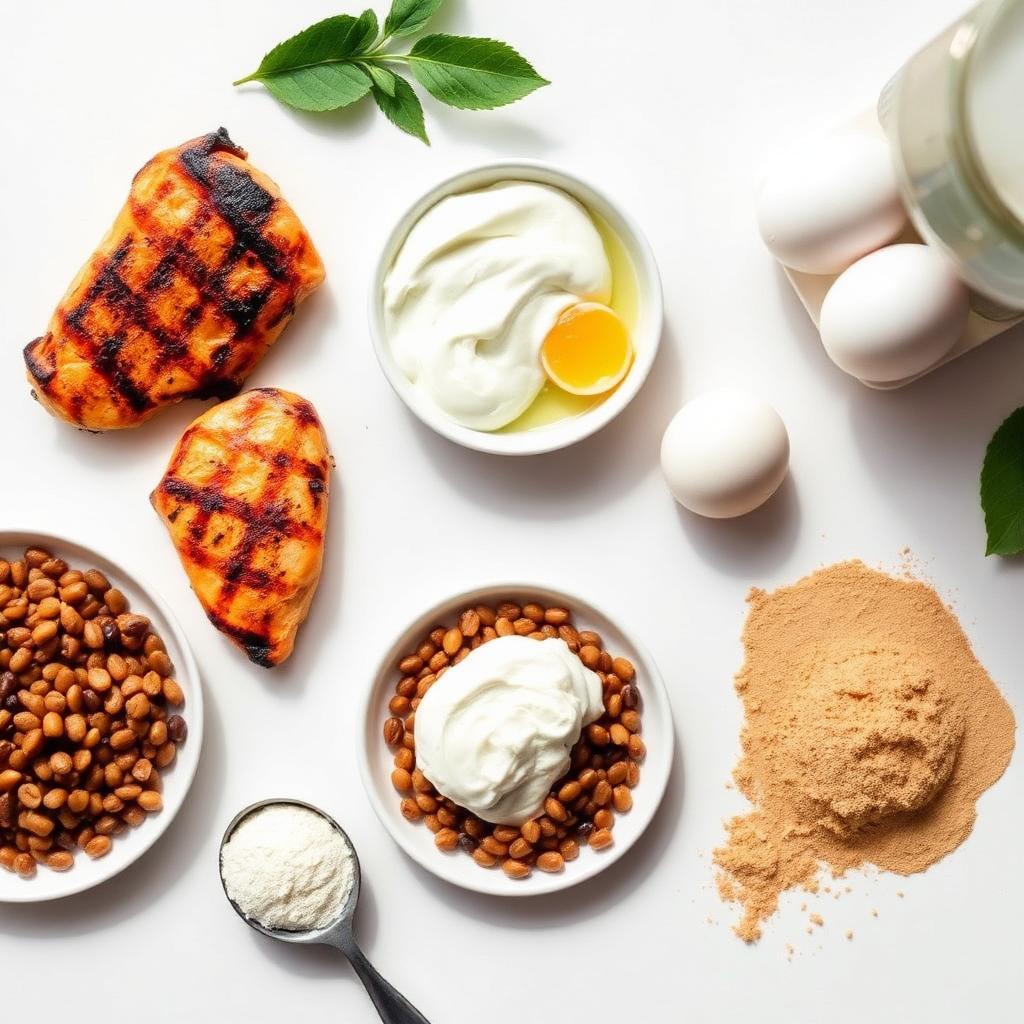
Cut through the noise. A practical guide to protein targets, timing and simple ways to hit them without weighing every meal.
Jenna Nicholls · 18 June 2026
Strength work does far more than build muscle. Here's what regular lifting does for your bones, metabolism, mood and everyday life.
Rob Lang · 4 June 2026