Strength work does far more than build muscle. Here's what regular lifting does for your bones, metabolism, mood and everyday life.
By Rob Lang · Published 4 June 2026
If strength training were a pill, it would be the most widely prescribed medicine in the country. Two or three sessions a week changes almost every marker of long-term health – and it does it faster than most people expect.
You keep the muscle you'd otherwise lose
From your mid-thirties onward, untrained adults lose roughly 3–8% of muscle mass per decade, and the rate accelerates after 60. Resistance training doesn't just slow that decline – it reverses it. Members who start lifting in their fifties routinely end up stronger than they were at forty.
Your bones get denser
Loading a bone tells it to build. Squats, deadlifts, carries and presses put exactly the kind of stress through the hip and spine that maintains bone mineral density – which is why strength work is one of the few genuinely effective interventions for osteopenia and osteoporosis risk.
“Nobody comes to us saying they want better bone density. They come because they want to feel capable. The bone density is the bonus.”
Metabolic health improves
Muscle is where the majority of the glucose in your bloodstream ends up. More trained muscle means better insulin sensitivity, better blood sugar control and a body that handles a big meal more gracefully.
It's one of the best things you can do for your mood
Trials on resistance training and anxiety or low mood show effects comparable to cardio. Add in the structure of a set class time and a room full of people expecting you, and the mental health benefit multiplies.
How much do you actually need?
Two to three sessions a week is where the vast majority of the benefit sits.
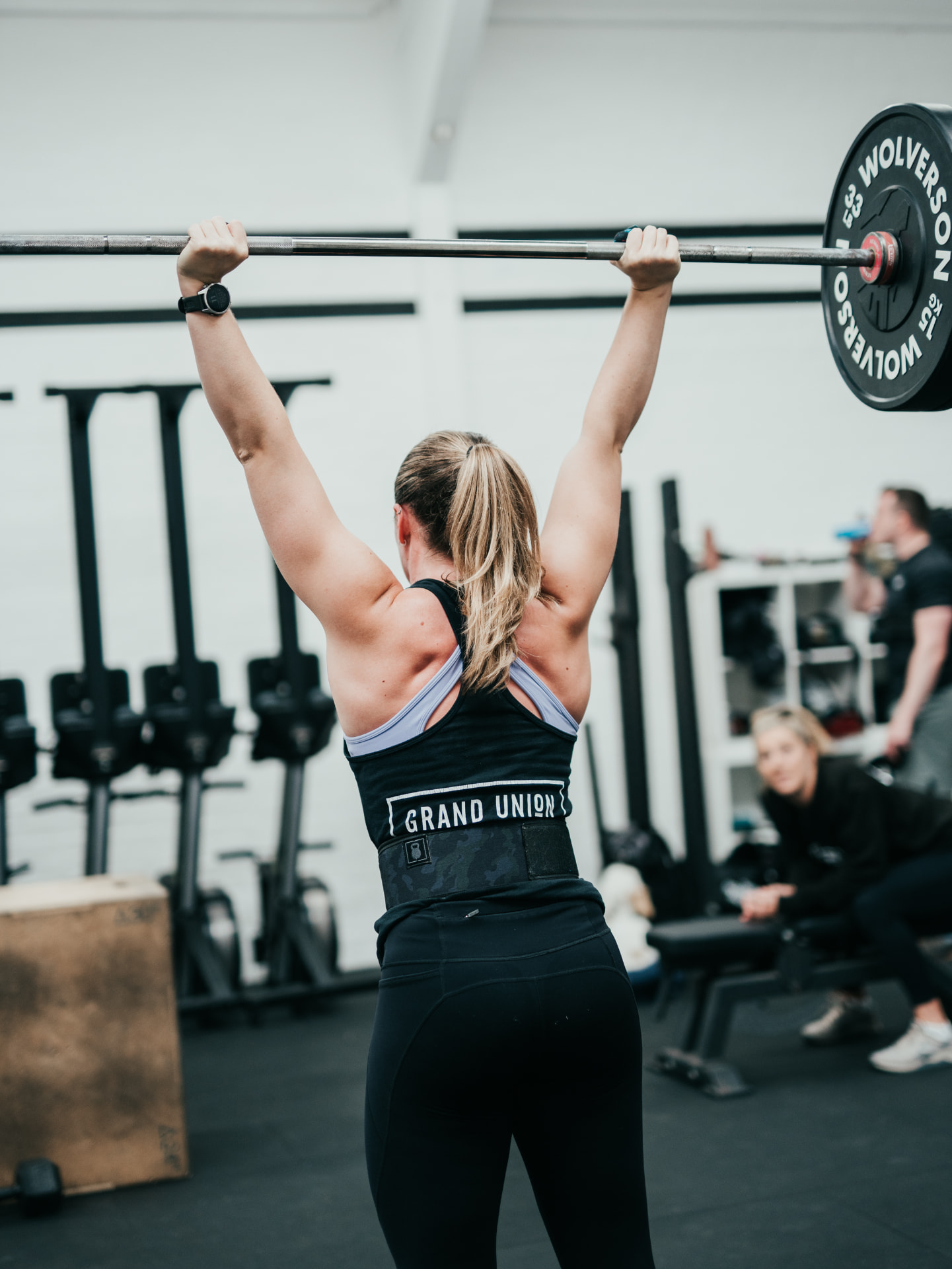
Cover the big patterns: squat, hinge, push, pull, carry.
Progress the load gradually – small jumps, held for weeks, beat big jumps abandoned.
Technique first. Every rep you do well is a rep you can repeat for years.
Strength training builds the kind of fitness that carries over into everyday life.
Heading off for two weeks? Here's what actually happens to your strength, fitness and mindset when you step away from the gym – and why your first session back always feels harder than it is.